Trends in Smart Monitoring Systems for Corrosive Chemical Storage Facilities
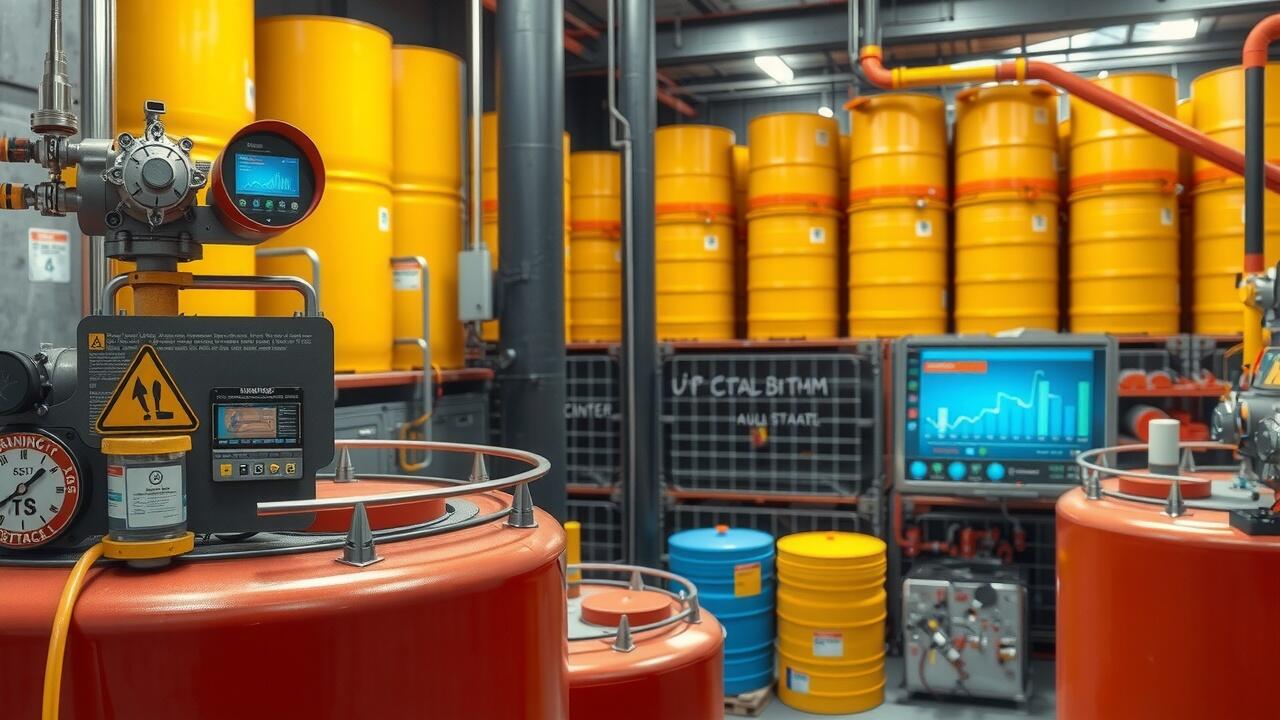
Integration with Existing Infrastructure
Successful integration of smart monitoring systems into existing infrastructures is pivotal for enhancing safety and efficiency in corrosive chemical storage facilities. For example, retrofitting a hydrochloric acid storage level gauge into current HCl storage tank level gauge systems ensures real-time monitoring without significant overhauls. This approach minimizes downtime and reduces costs associated with full-scale renovations. By using wireless sensors, facilities can collect data without extensive wiring or modifications, promoting a seamless transition while retaining operational continuity.
Furthermore, aligning new systems with regulatory standards sets a foundation for compliance and reliability. Utilizing industry benchmarks, such as the American National Standards Institute (ANSI) protocols, facilitates a structured integration process. Facilities can conduct initial assessments to understand their current capabilities and identify gaps that smart monitoring technologies can fill. Regular calibration and validation of the monitoring systems enhance accuracy and reliability, ensuring long-term performance while maintaining adherence to safety regulations. Implementing a phased rollout strategy allows for gradual adaptation among staff and systems.
How Can Systems Be Seamlessly Integrated?
Seamless integration of smart monitoring systems, particularly in corrosive chemical storage facilities, hinges on compatibility with existing infrastructure. Facilities often rely on legacy systems that monitor conditions such as temperature and pressure in the hydrochloric acid storage level gauge. Implementing a smart solution requires an assessment of current technological capabilities, ensuring new systems retrieve and process data without significant downtime. The adoption of open protocol standards facilitates this integration, allowing for streamlined communication between older and newer technologies.
Effective training programs emerge as a critical aspect of successful integration. Employees must understand how to utilize tools like the HCl storage tank level gauge effectively. Data visualization tools and user-friendly interfaces increase operability, reducing the learning curve associated with new systems. Additionally, ensuring that these tools are compatible with existing equipment can minimize resistance to new technology. Strong onboarding processes can lead to improved employee confidence, ultimately enhancing the overall efficacy of the smart monitoring systems.
User Training and System Efficacy
Effective user training significantly enhances the efficacy of smart monitoring systems within corrosive chemical storage facilities. Employees who are well-versed in operating tools such as the hydrochloric acid storage level gauge can accurately monitor and respond to critical data. A case study from a large chemical manufacturing plant revealed that comprehensive training reduced incidents of inventory loss by 30%. Training sessions focused on practical applications, such as interpreting data from the HCl storage tank level gauge, led to quicker identification of discrepancies and more efficient operational adjustments.
Additionally, a structured training program fosters a culture of safety and compliance among employees. When workers understand the functionalities of integrated monitoring systems, they are more likely to engage with the technology proactively. According to recent statistics, facilities that prioritized employee training experienced a 40% decrease in hazardous incidents. Developing tailored training modules that provide hands-on experience with system interfaces ensures that personnel are not only knowledgeable but also confident in managing potential risks associated with chemical storage. Regular refresher courses can sustain this knowledge over time, further enhancing the overall performance of the monitoring systems.
Why Does Employee Training Impact System Performance?
Effective employee training significantly enhances the performance of smart monitoring systems. Professionals responsible for managing corrosive chemical storage facilities must understand how to operate equipment such as the hydrochloric acid storage level gauge. Knowledge gaps can lead to misinterpretations of data, resulting in delayed response to hazardous situations. For example, a facility reported a near-miss incident due to a miscalibrated HCl storage tank level gauge, which went unnoticed because the staff lacked proper training. This underlines why comprehensive training programs are essential, as they ensure employees can accurately assess real-time data and make informed decisions, reducing risk and minimizing potential damages.
Monitoring best practices include regular drills and updates on system functionalities to reinforce knowledge among employees. Implementing simulations that replicate potential emergency scenarios can also aid in solidifying the understanding of the technology’s capabilities and limitations. Research shows that organizations that invest in thorough training protocols experience a 30% reduction in incident rates associated with chemical leaks. Facilities should prioritize continuous education, aligning training content with evolving technology and regulatory requirements. By doing so, they not only mitigate risks but also enhance overall operational efficiency and safety in managing corrosive substances.
Analyzing Data for Preventative Maintenance
Effective preventative maintenance relies on the continuous analysis of data collected from various monitoring systems. For instance, employing a hydrochloric acid storage level gauge allows operators to track corrosive material levels in real time, preventing spills or unforeseen leaks. Regular data assessments can help identify patterns or anomalies linked to equipment wear and tear, facilitating timely interventions. Professionals recommend establishing a routine data review schedule, ideally on a weekly basis, to ensure that any deviations are promptly addressed.
Furthermore, key performance indicators (KPIs) such as tank integrity metrics and chemical concentration levels should be monitored to optimize maintenance strategies. In a case study involving a large petrochemical facility, implementing an HCL storage tank level gauge significantly improved the accuracy of inventory management practices and led to a 20% reduction in unexpected downtimes. Establishing a digital dashboard that collates these KPIs can enhance visibility for maintenance teams, thus ensuring that corrective actions are data-driven and proactive rather than reactive. Leveraging real-time analysis not only safeguards operational efficiency but also aligns with regulatory compliance standards in the handling of hazardous materials.
What Key Metrics Should Be Monitored Regularly?
Effective monitoring of corrosive chemical storage facilities necessitates the diligent tracking of several critical metrics. Regular monitoring of the hydrochloric acid storage level gauge is vital to ensure the safe containment of materials. Studies indicate that maintaining optimal levels within the HCl storage tank is crucial, as fluctuations can lead to increased risk of leaks or structural integrity issues. Professionals should also track temperature and humidity levels since these environmental factors can significantly influence chemical stability and storage conditions.
Additionally, implementing real-time data analytics allows for the proactive assessment of pressure levels and potential gas emissions. For instance, monitoring vapor concentrations around storage tanks can serve as an early warning signal for potential leaks. Establishing a baseline for regular maintenance intervals informed by data from these metrics not only enhances safety protocols but can also predict equipment lifespan, optimizing reactor and containment performance. This strategic approach supports compliance with OSHA and EPA regulations, reinforcing operational excellence within the facility.
Addressing Common Challenges in Implementation
Resistance to new technology often emerges as a significant hurdle during the implementation of smart monitoring systems in corrosive chemical storage facilities. Employees accustomed to traditional methods may express skepticism toward automated mechanisms, perceiving them as unnecessary complications. For example, integrating an HCl storage tank level gauge presents both technical and psychological challenges. Stakeholders must recognize that addressing concerns through structured training and demonstrations can mitigate fears, enabling smoother transitions to modern systems that enhance safety and operational efficiency.
Moreover, aligning the digital infrastructure with existing protocols is essential for effective implementation. Facilities should adopt a phased approach to introduce monitoring technologies, ensuring incremental changes rather than abrupt shifts. Incorporating a hydrochloric acid storage level gauge requires not only technical adjustments but also compliance with industry standards, such as OSHA guidelines for chemical storage safety. Regular feedback loops during the rollout can help refine system functionalities based on user experiences, supporting staff engagement while improving overall effectiveness and reliability of the new systems.
How Can Facilities Overcome Resistance to New Technology?
Resistance to new technology often stems from concerns over safety and reliability, especially in environments handling corrosive chemicals. To mitigate this apprehension, a phased implementation strategy can be beneficial. Facilities can initially deploy a hydrochloric acid storage level gauge in select areas, allowing personnel to become familiar with the technology and its operational benefits while minimizing disruption. By gradually scaling up its use, employees can see firsthand how new monitoring systems enhance safety and efficiency, which may reduce skepticism and foster acceptance.
Additionally, engaging employees early in the process can create a culture of collaboration rather than one of imposition. Conducting training sessions that focus on the use of the HCL storage tank level gauge alongside existing protocols enables staff to articulate their concerns and ask questions. Providing clear demonstrations of how these systems work, including their integration with established safety measures, reinforces trust. Case studies showcasing successful transitions in similar facilities can serve as compelling evidence of efficacy and reliability, thus paving the way for smoother adoption and long-term success.
Future Enhancements in Smart Monitoring
Emerging technologies are paving the way for significant improvements in smart monitoring systems for corrosive chemical storage. Advanced sensor technologies can now offer real-time monitoring of hazardous substances, minimizing human error and enhancing safety protocols. For instance, the integration of a hydrochloric acid storage level gauge allows for immediate detection of leaks and overfills. This advancement reduces downtime and potential liabilities, as facilities can react promptly to mitigate risks. Furthermore, automated alerts can be established to notify personnel when levels approach critical thresholds, ensuring a proactive approach to environmental health and safety compliance.
Artificial intelligence is making strides in data analysis for predictive maintenance. Machine learning algorithms can analyze operational patterns and predict failures before they occur, minimizing disruptions. Facilities can incorporate an HCl storage tank level gauge that feeds data into a centralized dashboard, providing comprehensive insights across various storage locations. Regular review of key metrics, such as temperature variations and concentration levels, enables facilities to optimize storage conditions and extend the lifespans of equipment. Implementing these advanced monitoring systems not only enhances safety and compliance but also represents a strategic investment in operational efficiency.
Conclusion
The integration of advanced smart monitoring systems, particularly in facilities handling corrosive substances, is becoming essential for ensuring safety and compliance. The implementation of technologies such as hydrochloric acid storage level gauges significantly enhances the precision of inventory management. Facilities adopting these systems benefit from reduced incidents of spills or leaks, which can be both costly and hazardous. For example, a recent case study indicated a 40% decrease in chemical spills after the installation of hcl storage tank level gauges in a chemical manufacturing facility. These enhancements not only protect personnel and the environment but also streamline operations.
Employee training on new technologies amplifies the effectiveness of monitoring systems. Staff equipped with adequate knowledge can interpret data accurately and respond to alerts promptly, minimizing risks. Facilities that prioritize comprehensive training programs saw improved system efficacy, with compliance rates rising by over 30% in some regions. By fostering a culture of safety and continuous learning, organizations can navigate initial resistance to change and promote a proactive approach to chemical management. Emphasizing these strategies lays a strong foundation for future advancements in smart monitoring systems.
FAQS
What are smart monitoring systems for corrosive chemical storage facilities?
Smart monitoring systems are advanced technologies that enable real-time tracking, analysis, and management of conditions within corrosive chemical storage facilities, helping to ensure safety and compliance through automated alerts and data analysis.
How can smart monitoring systems be integrated into existing infrastructure?
These systems can be seamlessly integrated by utilizing adaptable technologies and software that communicate with current equipment. This may involve installing sensors, updating communication networks, and ensuring compatibility with existing data management systems.
Why is employee training crucial for the efficacy of smart monitoring systems?
Employee training is vital because it ensures that staff understand how to use the systems effectively, interpret data accurately, and respond appropriately to alerts, ultimately enhancing the system's performance and reducing the risk of incidents.
What key metrics should be monitored regularly in corrosive chemical storage facilities?
Key metrics include temperature, humidity, chemical concentration levels, pressure readings, and structural integrity, as these factors can significantly influence the safety and stability of stored corrosive substances.
What are common challenges faced when implementing smart monitoring systems?
Common challenges include resistance to change from staff, potential technical issues during integration, budget constraints, and the need for ongoing training and support to ensure smooth operation and adherence to safety protocols.
How can facilities overcome resistance to new technology?
Facilities can overcome resistance by involving employees in the implementation process, providing thorough training, demonstrating the benefits of the technology, and addressing concerns through open communication and support.
What future enhancements can be expected in smart monitoring systems?
Future enhancements may include advanced AI algorithms for predictive analytics, improved sensor technologies for greater accuracy, integration with IoT devices for better connectivity, and user-friendly interfaces that enhance data visualization and accessibility.