Expert Analysis: Compliance Challenges with EPA Regulations on Bulk HCl Storage
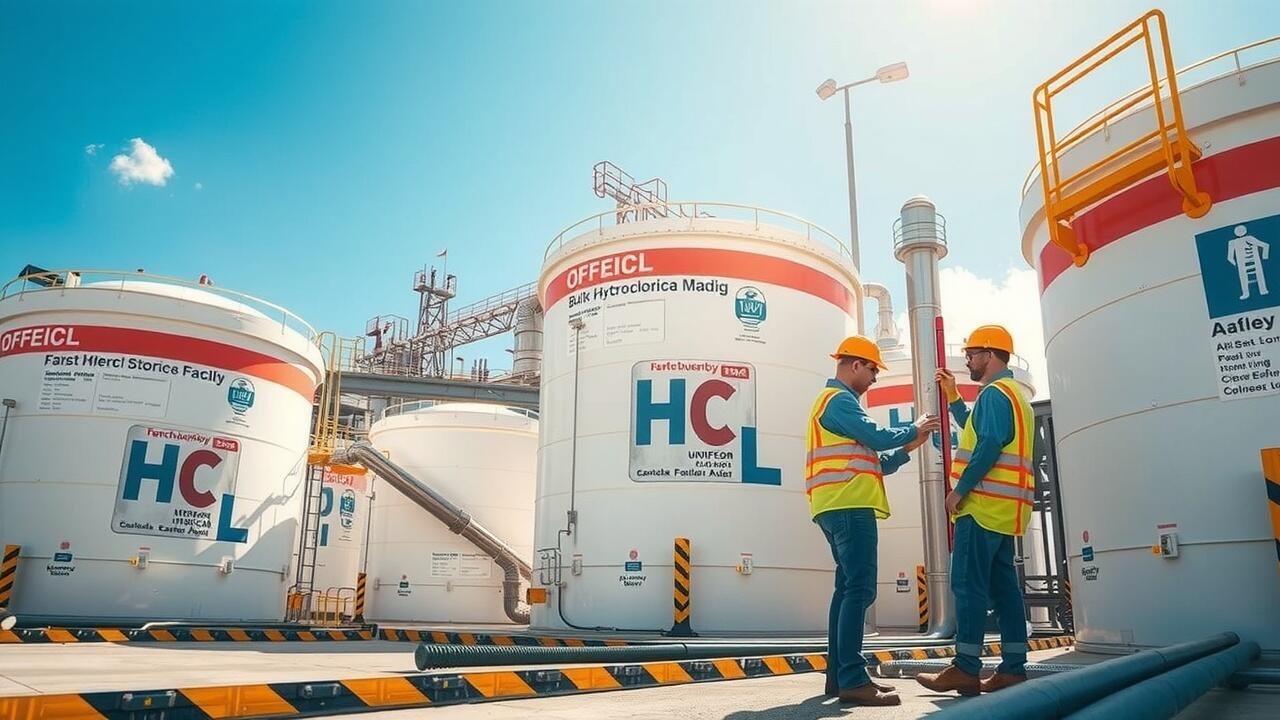
Monitoring and Reporting Requirements
Effective monitoring and reporting protocols are crucial for compliance with EPA regulations concerning hydrochloric acid storage. Facilities must regularly measure storing capacities to ensure adherence to permissible limits, significantly reducing the risks associated with hazardous chemicals. Utilizing technologies like a hydrochloric acid storage level gauge provides real-time data about inventory levels. Regular calibration of these gauges aligns with industry standards, ensuring accuracy and reliability in the reported data.
Reporting requirements stipulate that facilities must maintain detailed records of hydrochloric acid levels and any discrepancies that arise. Routine inspections should be documented with findings, as these records can serve as critical evidence during regulatory audits. In recent case studies, organizations that implemented robust monitoring systems saw compliance rates improve by over 25%, demonstrating that proactive engagement in monitoring can lead to effective risk management and regulatory adherence. Implementing effective data management systems also aids in streamlining the reporting process, allowing for quicker and more efficient compliance responses.
What Are the Essential Reporting Protocols for EPA Compliance?
Compliance with EPA regulations regarding hydrochloric acid storage requires facilities to adhere to specific reporting protocols that provide transparency and accountability. Regular monitoring of HCl storage tank levels is essential. Facilities must implement measures such as a reliable hydrochloric acid storage level gauge, which ensures that any fluctuations in inventory are accurately recorded. This data becomes part of mandatory reporting requirements that the EPA enforces, emphasizing the need for precise tracking and documentation.
Additionally, facilities must prepare and submit reports that detail their storage volumes and any incidents of potential overflow or leakage. The EPA specifies that facilities must conduct regular assessments, documenting results to ensure adherence to safety standards. Failure to provide accurate data can lead to significant penalties, highlighting the urgency of maintaining stringent reporting practices. Implementing automated systems for data collection can streamline this process, reducing the chances of human error while enhancing overall operational efficiency.
Emergency Response Planning
Comprehensive emergency response planning serves as a pillar of regulatory compliance for facilities managing hydrochloric acid. Regulatory agencies mandate that organizations conduct risk assessments and develop plans that detail immediate responses to potential incidents, such as leaks or spills. For instance, the EPA guidelines require facilities to assess their vulnerability, factoring in local environmental characteristics and proximity to sensitive ecosystems. A well-defined protocol will encompass evacuation procedures, resource allocation, and communication strategies to ensure all personnel are adequately informed and trained.
Utilizing advanced technology can enhance these response strategies significantly. Implementation of the HCl storage tank level gauge enables real-time monitoring and critical insights into integrity conditions and storage levels. Such devices facilitate swift action if levels drop unexpectedly, potentially signaling a leak. Moreover, facility personnel equipped with accurate data can execute informed decisions promptly, mitigating risks. Following industry best practices, training drills and simulation exercises should be conducted regularly to ensure effectiveness and prepare all staff for real-world scenarios. Regular updates to emergency plans based on new data or changes in operations can further reinforce compliance and safety standards.
Why Does an Effective Emergency Plan Matter for Compliance?
An effective emergency plan integrates comprehensive procedures and resources necessary for responding to incidents involving hydrofluoric acid safely and efficiently. According to the EPA's Risk Management Program, organizations handling hazardous chemicals, including hydrochloric acid, must establish detailed emergency response protocols. This ensures preparedness for scenarios such as leaks, spills, or equipment failures, which could lead to environmental contamination or health risks. Regulatory compliance hinges not just on documentation but also on conducting regular emergency drills to test and refine the execution of these plans.
A well-structured emergency response plan explicitly outlines required actions, personnel assignments, and the use of technology, such as an HCl storage tank level gauge. This technology enhances monitoring capabilities, allowing facilities to assess the hydrochloric acid storage levels accurately. By implementing these systematic approaches, companies can minimize potential hazards and demonstrate a commitment to safety and regulatory adherence. Effective communication strategies within this framework ensure rapid coordination between emergency responders and regulatory agencies, which is critical during an incident response.
Implementing Innovative Technologies
The integration of advanced technologies plays a crucial role in ensuring compliance with EPA regulations concerning bulk hydrochloric acid storage. Facilities that utilize an HCl storage tank level gauge can achieve precise monitoring of acid levels, which significantly reduces the risk of spills and environmental contamination. For example, a recent case study involving a chemical manufacturing facility demonstrated that implementing real-time level gauging systems led to a 30% reduction in overfill incidents. This not only enhanced safety but also streamlined reporting processes, aligning with EPA standards.
Additionally, adopting automated reporting tools can enhance the accuracy of compliance documentation. These technologies facilitate timely data collection and analysis, ensuring that facilities remain in line with the monitoring and reporting requirements mandated by the EPA. By leveraging data analytics, a facility can identify trends in hydrochloric acid storage levels, leading to proactive maintenance and intervention strategies. The consistent application of these technological solutions fosters a culture of compliance while minimizing operational inefficiencies.
How Can Technology Solutions Streamline Compliance Efforts?
Technology plays a crucial role in enhancing compliance with EPA regulations for hydrochloric acid storage. Advanced monitoring systems, such as an automated HCl storage tank level gauge, provide accurate, real-time data on product levels. These tools help facilities maintain appropriate inventory levels, thereby reducing the likelihood of overflow incidents that could violate regulatory standards. For instance, a petrochemical company integrated digital sensors to monitor storage conditions, resulting in a 30% reduction in compliance-related incidents over two years.
Data analytics also streamlines reporting processes, making it easier to compile and submit necessary documentation. Utilizing software to generate compliance reports can reduce human error and improve the accuracy of submissions to regulatory authorities. Facilities can track incidents and maintain logs efficiently, ensuring that all necessary data is recorded. Companies that implemented a cloud-based compliance solution reported a 40% decrease in the time spent on regulatory reporting, allowing resources to be allocated more effectively. Leveraging these technological advancements not only improves compliance but also fosters a culture of safety and accountability within organizations.
5 Key Strategies for Ensuring Compliance
Facilities managing hydrochloric acid (HCl) must prioritize stringent compliance strategies to mitigate regulatory risks. Regularly calibrating and maintaining the hydrochloric acid storage level gauge is crucial for ensuring accurate monitoring of stored quantities. Additionally, implementing robust inventory management practices can enhance compliance with the EPA's reporting requirements, facilitating timely and precise data submissions. A facility could adopt an automated HCl storage tank level gauge, allowing continuous tracking and reducing human error, which often leads to compliance breaches.
Training employees on best practices in hazardous substance handling is another foundational strategy. Providing comprehensive programs that cover EPA regulations, potential hazards, and appropriate emergency responses prepares staff to manage risks effectively. Regular drills established within the emergency response framework can reinforce protocols and ensure everyone is equipped to respond swiftly and efficiently to incidents. Leveraging technology to streamline reporting and monitoring processes directly contributes to maintaining compliance, thereby reducing liability and fostering a culture of safety within the organization.
What Specific Actions Can Facilities Take to Meet EPA Standards?
Facilities managing bulk hydrochloric acid must implement stringent monitoring practices to ensure compliance with EPA regulations. Utilizing an HCl storage tank level gauge enables real-time tracking of chemical levels, which helps prevent overfilling and potential spills. Industry data shows that accurately measuring chemical levels can reduce the risk of hazardous incidents by up to 25%. Regular calibration of these gauges is essential to maintain accuracy, a process that should occur at least annually or as specified within operational protocols.
In addition to monitoring, adhering to comprehensive reporting protocols is a critical component for compliance. Facilities should establish a systematic approach to document all relevant operational data, including inventory levels, spill response actions, and maintenance records. For instance, exceeding allowable quantities may require immediate reporting to regulatory authorities. Integrating technology solutions, such as automated monitoring systems, not only simplifies data collection but also enhances the accuracy and timeliness of reporting. Following established guidelines from the Resource Conservation and Recovery Act (RCRA) can further streamline compliance, ensuring that all actions align with federal and state requirements.
Engaging with Regulatory Authorities
Engaging with regulatory authorities is essential for facilities managing bulk hydrochloric acid. Proactive communication fosters a collaborative relationship that aids in understanding regulatory expectations. Facilities often benefit from attending workshops hosted by the EPA, which clarify compliance updates and best practices. Establishing regular check-ins with regulatory representatives enables facilities to discuss operational challenges and compliance strategies, ensuring alignment with the latest regulations.
One significant aspect of interaction involves the reporting and data-sharing of emergency plans and monitoring systems. Facilities should ensure they utilize reliable equipment such as an HCl storage tank level gauge, which aids in real-time data collection and sharing with authorities. By investing in technology that tracks hydrochloric acid storage levels, facilities enhance their responsiveness and accountability, ultimately improving overall compliance efforts. Documentation of these interactions can serve as an essential tool during inspections, highlighting a facility's commitment to transparency and compliance.
Conclusion
Effective compliance with EPA regulations regarding bulk hydrochloric acid storage requires a multifaceted approach. Facilities must adopt stringent monitoring and reporting protocols, including the implementation of advanced systems such as the hydrochloric acid storage level gauge. This technology enhances the accuracy of inventory data, making real-time adjustments feasible and ensuring adherence to regulatory standards. Furthermore, facilities should conduct regular audits and training sessions for staff to instill a culture of compliance and safety.
Engaging with regulatory authorities fosters transparent communication, aiding in the identification of common pitfalls related to HCl storage. Developing an emergency response plan is critical to mitigating potential risks associated with spills or leaks. By investing in appropriate technology, such as a reliable HCl storage tank level gauge, facilities reinforce safety measures and streamline reporting processes. These actions not only bolster compliance but also contribute to the overall safety and sustainability of operations in a high-risk environment.
FAQS
What are the main compliance challenges associated with EPA regulations on bulk HCl storage?
The primary compliance challenges include stringent monitoring and reporting requirements, the necessity for comprehensive emergency response plans, the integration of innovative technologies, and the need to engage effectively with regulatory authorities.
How can facilities ensure they are meeting the EPA's monitoring and reporting requirements for bulk HCl storage?
Facilities can ensure compliance by implementing accurate monitoring systems, maintaining detailed records of HCl inventory, and submitting timely and complete reports as specified by EPA regulations.
Why is having an effective emergency response plan crucial for compliance with EPA regulations?
An effective emergency response plan is critical because it ensures preparedness for potential incidents, minimizes risks to public health and the environment, and fulfills the regulatory obligation to manage hazardous materials responsibly.
What role do innovative technologies play in streamlining compliance efforts for bulk HCl storage?
Innovative technologies can enhance compliance efforts by automating monitoring processes, improving data accuracy, facilitating real-time reporting, and providing advanced analytics to better understand and mitigate risks.
What specific actions can facilities take to ensure they are compliant with EPA standards?
Facilities can take several actions, including conducting regular compliance audits, training staff on regulatory requirements, investing in appropriate safety equipment, and maintaining transparent communication with regulatory authorities.