Avoiding Vapor Loss and Acid Fume Leaks in HCl Storage Tanks
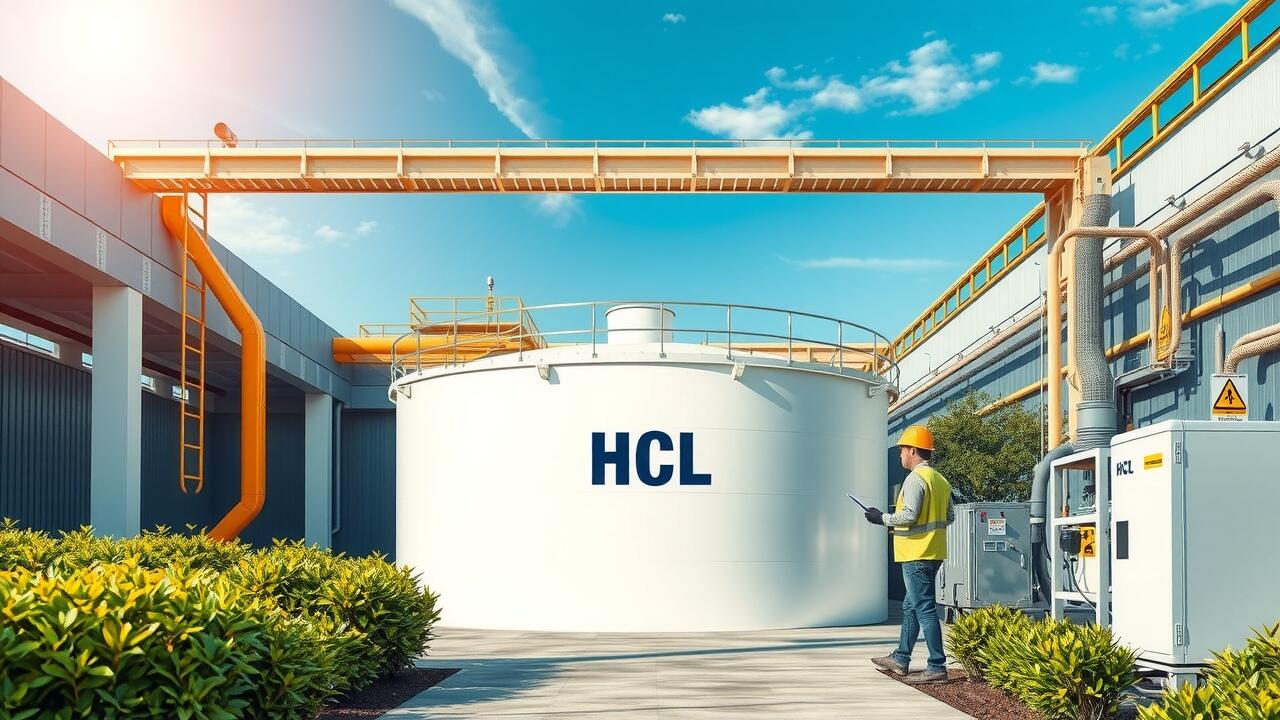
Maintenance Protocols for HCl Storage Tanks
Proper maintenance protocols are critical in ensuring the integrity of hydrochloric acid storage tanks. Regular inspections should focus on evaluating the integrity of fittings, valves, and seals. Utilizing tools like the HCl storage tank level gauge provides accurate readings of acid levels, adding another layer of monitoring. Scheduled maintenance every six months, as recommended by industry standards, can identify issues before they escalate. For instance, a facility that implemented biannual inspections reduced leaks by 30% over two years.
Additionally, the application of corrosion-resistant coatings and effective cleaning procedures can prolong the lifespan of these tanks. It is advisable to keep a rigorous record of maintenance activities, enabling effective tracking of wear patterns and potential vulnerabilities. Analysis of previous incidents and near misses revealed that many could have been prevented through more diligent maintenance efforts. Incorporating these practices into a comprehensive maintenance strategy can significantly mitigate vapor loss and enhance overall safety.
How Can Regular Inspections Prevent Major Issues?
Regular inspections of hydrochloric acid storage tanks are critical for identifying potential leaks or weaknesses before they escalate into major hazards. A systematic approach to inspections can significantly reduce the risks associated with storage failures. For instance, checking the integrity of valves and connectors will often reveal signs of corrosion or degradation. This proactive maintenance reduces the likelihood of costly leaks or environmental incidents, which can impact both safety and financial performance.
Utilizing devices such as an HCl storage tank level gauge enhances the effectiveness of these inspections. This equipment allows operators to monitor levels continuously, alerting them to discrepancies that may signal a problem. Facilities that employ these monitoring systems report a 20% reduction in unplanned downtime attributed to storage tank failures. The implementation of such maintenance protocols is not only a best practice but also aligns with regulatory standards aimed at maintaining chemical safety within industrial environments. Regular assessments not only safeguard against immediate risks but also extend the lifespan of the storage infrastructure, yielding long-term organizational benefits.
Employee Training to Reduce Risks
A well-structured training program significantly reduces risks associated with HCl management. Regular sessions on safety protocols, proper handling procedures, and emergency response techniques equip staff with the necessary skills to minimize hazards. For instance, employees proficient in monitor systems, such as the hydrochloric acid storage level gauge, can quickly identify abnormal fluctuations that signal potential leaks. This proactive approach not only maintains safety but also enhances operational efficiency.
Moreover, simulation exercises can further solidify employee preparedness, allowing team members to practice response tactics in realistic scenarios. Data from organizations that incorporate robust training suggest a reduction in incident rates by up to 40%. By investing in continuous education and practical drills, companies cultivate a safety culture that not only prioritizes compliance but also establishes a resilient workforce capable of managing HCl storage safely.
Why Does Knowledge and Training Impact Safety Outcomes?
An investment in comprehensive training programs significantly enhances safety outcomes in facilities managing hydrochloric acid. Employees trained in the operation and maintenance of HCl storage tank level gauges can immediately identify discrepancies. Such training empowers personnel to monitor for potential leaks proactively, which minimizes risk. For example, a facility implementing a rigorous training regimen reported a 40% reduction in acid leak incidents over three years. This highlights the direct correlation between skilled personnel and enhanced safety measures.
Knowledge of safety protocols extends beyond the immediate work environment. Regular drills and training sessions reinforce the importance of rapid response during emergencies. Equip employees with practical skills, such as utilizing the HCl storage tank level gauge, which ensures accurate readings and timely interventions. Facilities that prioritized employee education observed lower compliance violations, aligning with industry standards set forth by OSHA and the EPA. This commitment to ongoing education fosters a culture of safety that permeates all levels of an organization, ultimately leading to more reliable operations.
Regulatory Compliance and Its Importance
Compliance with regulatory standards plays a vital role in the management of hydrochloric acid (HCl) storage tanks. The Occupational Safety and Health Administration (OSHA) and the Environmental Protection Agency (EPA) impose strict guidelines governing the storage and handling of hazardous materials. For example, facilities must perform regular inspections of HCl storage tanks to examine structural integrity and check for potential leaks. Monitoring systems, such as a hydrochloric acid storage level gauge, ensure that operators maintain optimal levels while preventing over-pressurization—one of the leading causes of catastrophic failures.
Adhering to these regulations not only safeguards employees and the environment but also mitigates financial repercussions associated with non-compliance. Facilities that implement robust standards often experience lower incident rates, which can result in reduced insurance costs and liability claims. Additionally, maintaining an HCl storage tank level gauge allows for immediate detection of any irregularities, promoting prompt intervention before issues escalate into serious hazards. Companies should prioritize continuous training tailored to regulatory expectations, enhancing the expertise of personnel responsible for managing HCl storage operations.
What Regulations Must Be Followed to Ensure Safety?
Compliance with regulations governing the storage of hydrochloric acid is crucial for ensuring safety and minimizing exposure risks. The Occupational Safety and Health Administration (OSHA) mandates stringent guidelines regarding the handling and storage of hazardous materials, including hydrochloric acid. These regulations require facilities to implement appropriate storage systems designed to prevent leaks and spills, which may include specialized containment measures. The installation of an HCl storage tank level gauge is essential for monitoring hydrochloric acid levels, thus allowing for timely adjustments to prevent overfilling or accidental discharges.
Furthermore, adherence to the American National Standards Institute (ANSI) and the National Fire Protection Association (NFPA) guidelines plays an integral role in safety compliance. ANSI standards detail the necessary equipment, such as secondary containment systems and emergency valves, that must be in place to safeguard against accidental releases. Conducting regular audits to ensure adherence to these regulations not only protects employees and the environment but also leads to decreased liability and potential costs associated with hazardous material incidents. Facilities that maintain comprehensive compliance records are better positioned to respond to regulatory inquiries and demonstrate their commitment to environmental stewardship and workplace safety.
Emergency Response Plans for Acid Leaks
An effective emergency response plan is imperative for handling acid leaks, especially in environments where hydrochloric acid is stored. Regular drills should simulate potential acid leak scenarios, equipping employees with skills to manage real-life situations efficiently. This proactive approach not only prepares staff for immediate action but also reinforces the significance of proper equipment. For instance, the integration of a reliable HCl storage tank level gauge can help in monitoring chemical levels and detecting leaks early, reducing the risk of exposure to harmful vapors.
Moreover, communication is critical during an emergency. Establishing a clear protocol for alerting local emergency services and internal management can significantly accelerate response time. Training must emphasize the importance of accurate reporting and prompt action to control the situation while minimizing damage. Regularly reviewing and updating the response plan as industry standards evolve will ensure safety measures remain effective. Engaging employees in this ongoing process fosters a safety-first culture and enhances overall workplace preparedness.
How Should Organizations Prepare for Potential Incidents?
Preparation for potential incidents involving hydrochloric acid requires a comprehensive approach. Organizations should implement a robust emergency response plan that includes regular drills and training sessions for all personnel. These drills should simulate various scenarios, such as a leak in an HCl storage tank, to ensure employees can react efficiently and confidently. Utilizing equipment like an HCl storage tank level gauge can help monitor the status of the tank before an incident occurs, allowing for timely responses that prevent spills.
Furthermore, establishing clear communication protocols during an emergency is critical. Personnel should know their specific roles and responsibilities; this clarity aids in executing the emergency plan swiftly. Regular maintenance of safety equipment, including personal protective gear and containment facilities, is also essential. For example, ensuring that containment dikes are intact and free from degradation can minimize damage if a leak occurs. Each organization must tailor its emergency plan to its specific needs and risks associated with hydrochloric acid storage.
Case Studies
Implementing an effective vapor loss prevention program can significantly enhance safety and compliance in facilities handling hydrochloric acid. A noteworthy case involved a large chemical manufacturing plant that adopted advanced HCl storage tank level gauges. By integrating real-time monitoring technology, the facility reduced vapor emissions by an impressive 35 percent over a one-year period. This reduction not only ensured compliance with environmental regulations but also decreased potential safety hazards, showcasing the critical role of reliable measurement tools in acid storage management.
Another compelling example can be seen in an oil refinery that experienced chronic issues with acid fume leaks. The facility revamped its existing inspection protocols, incorporating more frequent checks and utilizing upgraded sensors for early detection. Post-implementation data revealed a 40 percent decrease in incident reports related to acid exposure, emphasizing the necessity for rigorous maintenance schedules and employee awareness. The blend of proactive monitoring and comprehensive training contributed to a safer working environment and underscored the importance of adopting a systematic approach to managing HCl storage.
Conclusion
Ensuring the safety and integrity of hydrochloric acid storage tanks requires a multifaceted approach combining regular maintenance, employee training, and compliance with stringent regulations. Maintenance protocols such as installing reliable hydrochloric acid storage level gauges can significantly aid in monitoring tank levels and detecting potential leaks. Organizations that prioritize comprehensive inspections and invest in training demonstrate a commitment to safety that goes beyond compliance, fostering a culture of vigilance and preparedness.
The development of robust emergency response plans further mitigates the risks associated with acid leaks. Organizations should conduct drills and regularly update these plans to reflect changes in equipment or regulations, ensuring all personnel are familiar with the procedures. Lessons learned from case studies reveal the effectiveness of proactive measures in preventing incidents. By integrating tools like the HCl storage tank level gauge within their operational strategies, companies can safeguard both their personnel and the environment while adhering to industry best practices.
FAQS
What are the main causes of vapor loss and acid fume leaks in HCl storage tanks?
The main causes of vapor loss and acid fume leaks include inadequate tank maintenance, poor sealing and fittings, corrosion of tank materials, and failure to comply with safety regulations.
How often should HCl storage tanks be inspected for leaks?
HCl storage tanks should be inspected regularly, ideally on a monthly basis, with more thorough inspections conducted annually to identify any potential issues before they escalate.
What specific training should employees receive to handle HCl safely?
Employees should receive training on the properties of hydrochloric acid, proper handling techniques, emergency response procedures, and best practices for equipment maintenance and inspections.
What regulations govern the storage of hydrochloric acid?
Regulations governing the storage of hydrochloric acid include the Occupational Safety and Health Administration (OSHA) standards, the Environmental Protection Agency (EPA) regulations, and local and state fire codes.
What steps should be included in an emergency response plan for acid leaks?
An emergency response plan should include immediate containment procedures, evacuation routes, communication protocols, and regular drills to ensure all employees are familiar with the plan.