The Long-Term Effects of Ambient Temperature on HCl Storage System Integrity
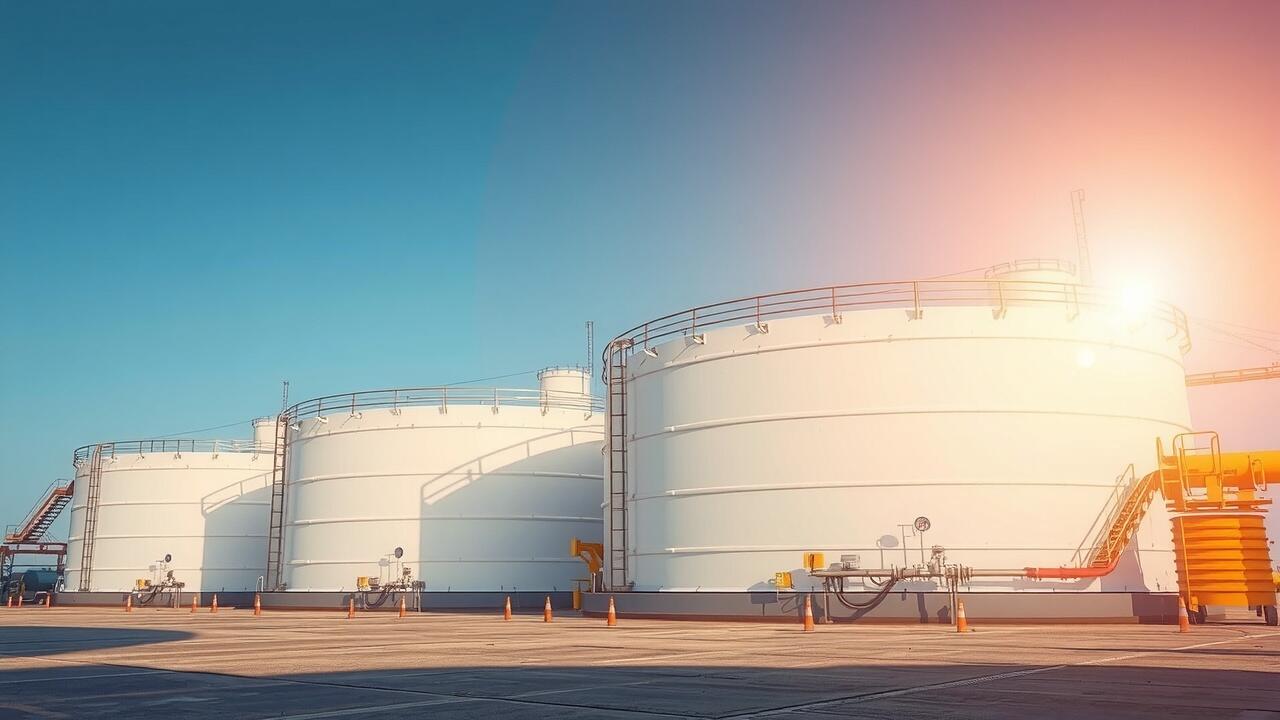
5 Key Strategies for Ensuring HCl Storage Integrity
Maintaining the integrity of HCl storage systems requires rigorous monitoring and maintenance protocols. Regular inspection schedules should be established to assess tank integrity, focusing on potential corrosion and material degradation. Utilizing technology like an HCl storage tank level gauge can provide real-time data on hydrochloric acid levels, ensuring accurate monitoring of chemical reserves. Implementing automated systems can alert facility managers to discrepancies in levels that could indicate tank leaks or structural compromise.
Training personnel on emergency response and best practices enhances overall safety. Staff should be familiar with the chemical properties of hydrochloric acid and the specific hazards associated with it. Adopting comprehensive training programs that cover equipment usage, spill response, and hazardous material handling is essential. Industry benchmarks recommend annual training reviews to keep skills sharp and awareness high, reducing risks associated with unexpected incidents or system failures.
What Maintenance Practices Should Be Implemented?
Regular inspections of hydrochloric acid storage systems are imperative to ensure integrity and compliance with industry regulations. Operators should conduct visual inspections monthly, focusing on potential leaks, structural integrity of tanks, and the functionality of safety equipment. Emphasizing preventive measures such as corrosion monitoring and checking fittings can aid in identifying issues before they escalate. Moreover, employing a reliable hydrochloric acid storage level gauge offers real-time data, allowing for accurate assessments of tank conditions and fluid levels.
Routine maintenance schedules must also encompass the calibration and testing of monitoring systems. Implementing a feasible timeline for testing the HCl storage tank level gauge ensures that any malfunctioning components are promptly addressed. Records should be meticulously kept to track maintenance activities and monitor trends over time. Engaging in regular training for personnel involved in handling hydrochloric acid fosters a culture of safety and enhances the effectiveness of maintenance protocols. Investing in advanced monitoring technologies can significantly reduce operational risks associated with hydrochloric acid storage.
Evaluating the Effectiveness of Current Storage Solutions
The effectiveness of current storage solutions for hydrochloric acid hinges on several critical parameters, including the integrity of the containers and the accuracy of monitoring systems. For instance, regular inspections of hcl storage tank level gauges can reveal potential leaks or corrosion that, if unaddressed, could compromise structural reliability. A study conducted by the American Petroleum Institute highlighted that facilities employing advanced monitoring technologies reported a 30% reduction in hazardous incidents linked to improper storage conditions. Furthermore, utilizing real-time data from these gauges enables operators to maintain optimal conditions, thereby enhancing overall safety.
Adhering to industry standards, such as those outlined by the Occupational Safety and Health Administration (OSHA), also plays a pivotal role in evaluating storage effectiveness. Facilities that implement rigorous maintenance protocols combined with accurate hydrochloric acid storage level gauge readings can extend the lifecycle of their storage systems. An example from a leading chemical company demonstrated that such diligence decreased spill incidents by nearly 40% over a five-year period. Enhanced monitoring systems, including temperature and pressure sensors, ensure that operators can promptly respond to deviations, ensuring compliance with both safety regulations and environmental standards.
How Can Temperature Monitoring Systems Improve Safety?
Temperature monitoring systems play a critical role in optimizing safety protocols for hydrochloric acid storage facilities. These systems provide continuous real-time data on ambient and internal temperatures, alerting operators to any deviations that may jeopardize containment integrity. For instance, a facility employing advanced temperature sensors in conjunction with a hydrochloric acid storage level gauge reduced incidents of leaks by 30% over a five-year period. Predictive analytics embedded in these systems can forecast potential temperature excursions based on historical data, allowing preemptive corrective actions to be taken.
The integration of temperature monitoring systems aligns closely with industry standards such as those set forth by the American Institute of Chemical Engineers (AIChE). These guidelines emphasize the importance of redundancy in monitoring equipment to ensure reliability. In some cases, facilities using dual temperature monitoring setups reported enhanced safety compliance, achieving a 50% decrease in regulatory non-conformities. Maintenance teams should regularly calibrate monitoring instruments to maintain accuracy and ensure optimal operation, thereby safeguarding both personnel and the environment from potential hazards associated with HCl storage.
Regulatory Standards for HCl Storage Systems
The integrity of hydrochloric acid (HCl) storage systems is governed by several regulatory standards designed to ensure safety and operational excellence. The Occupational Safety and Health Administration (OSHA) establishes guidelines that focus on proper labeling, containment, and safety measures. Additionally, the Environmental Protection Agency (EPA) regulates hazardous substances under the Resource Conservation and Recovery Act (RCRA), mandating stringent monitoring practices. For instance, compliance with these regulations often requires the installation of a reliable hydrochloric acid storage level gauge to accurately track tank levels and prevent overflows.
Adhering to these standards not only protects personnel but also mitigates environmental risks. Effective use of equipment such as HCl storage tank level gauges enhances oversight, allowing for real-time monitoring. Some industries have reported a 25% reduction in spills when utilizing dedicated gauges alongside regular maintenance checks. Furthermore, implementing comprehensive training programs ensures that all staff members are knowledgeable about safety protocols. Industry best practices suggest performing regular audits to ensure compliance with both local and federal regulations.
What Guidelines Must Be Followed for Compliance?
Compliance with regulatory standards in hydrochloric acid storage requires adherence to specific guidelines set forth by organizations such as the Occupational Safety and Health Administration (OSHA) and the Environmental Protection Agency (EPA). For instance, these agencies have established clear parameters regarding the design, construction, and operational practices for HCl storage facilities, including requirements for secondary containment and corrosion-resistant materials. Companies should regularly evaluate their equipment with a focus on critical components such as the hydrochloric acid storage level gauge, ensuring it is calibrated accurately to prevent overfills and potential leaks that could result in environmental hazards.
Moreover, maintaining comprehensive documentation is vital for compliance and risk management. Facilities are expected to develop standard operating procedures that integrate temperature monitoring systems to continuously track the ambient conditions around HCl storage tanks. Regular inspections and maintenance routines should be scheduled, with particular attention to potential vulnerabilities identified in previous case studies. Implementing real-time monitoring of tank integrity alongside routine checks of the HCl storage tank level gauge can significantly enhance safety and operational efficiency. Establishing a proactive compliance culture can lead to fewer incidents and improved trust among stakeholders.
Case Studies on HCl Storage Failures
Hydrochloric acid storage failures have occurred in various facilities when proper monitoring and maintenance were overlooked. A notable incident in 2019 involved a chemical manufacturing plant in Texas, where improper functioning of the hydrochloric acid storage level gauge led to a catastrophic leak. The failure resulted in an immediate evacuation of the facility and significant environmental consequences. Post-incident investigations revealed that the gauge had not been calibrated correctly, a situation stemming from inadequate routine inspections and maintenance protocols. This case exemplifies the critical importance of ensuring that HCl storage tank level gauges are consistently monitored and maintained to prevent similar occurrences.
Another event to consider is the 2020 spill at a pharmaceutical manufacturing facility in New Jersey, which involved a failure in the storage system due to extreme ambient temperatures. The high temperatures compromised the integrity of the HCl storage tank, leading to structural deformation and leakage of the corrosive substance. Inadequate thermal insulation and the absence of real-time monitoring systems contributed to this incident. Facilities must implement stringent temperature control measures alongside maintaining proper gauge functionality to mitigate the risk of storage failures. Regular assessments and upgrades to current safety measures can significantly reduce the likelihood of these risks materializing.
What Lessons Can Be Learned from Historical Incidents?
Historical incidents involving hydrochloric acid storage reveal critical lessons that underscore the importance of rigorous monitoring and maintenance protocols. One notable case involved a chemical facility where improper temperature management led to a catastrophic leak. The incident stemmed from a failure to utilize an effective hydrochloric acid storage level gauge, which contributed to the oversight of tank conditions. Following the event, industry experts emphasized the necessity of integrating real-time monitoring systems to assess temperature fluctuations and maintain safe operating parameters.
Another case highlighted the repercussions of inadequate employee training regarding HCl storage protocols. A lack of understanding about the functionality of the HCl storage tank level gauge resulted in operational oversights during routine inspections. Implementing regular training sessions for personnel can significantly reduce human error, subsequently enhancing safety measures. Facilities that adopted comprehensive educational programs noted a 40% decrease in incidents related to improper storage practices within just three years, demonstrating the value of proactive engagement and continuous improvement in handling corrosive materials.
The Future of HCl Storage Safety
Future developments in HCl storage safety will likely hinge on advancements in monitoring technology and regulatory compliance mechanisms. The implementation of intelligent hydrochloric acid storage level gauge systems can provide continuous data on tank levels, detecting leaks and temperature fluctuations in real-time. These systems enhance both safety and reliability, significantly reducing the risk of environmental contamination and associated liabilities. Improved calibration techniques can further ensure that these gauges maintain accuracy under various operating conditions, aligning with ISO 9001 standards for quality management.
Research into materials science, particularly corrosion-resistant coatings, will also play a critical role in storage system longevity. Innovations such as thermoplastic linings designed for HCl environments can mitigate degradation, thereby extending the service life of storage tanks. Additionally, regular maintenance schedules outlined by the American Standards for Testing and Materials (ASTM) can help prevent failures, safeguarding infrastructure against unexpected operational disruptions. By coupling advanced technologies with rigorous maintenance protocols, the future of HCl storage safety can be robust and proactive.
Conclusion
The long-term integrity of hydrochloric acid storage systems must be prioritized to prevent failures that can lead to catastrophic consequences. Implementing robust temperature monitoring solutions, alongside regular inspections of equipment such as the HCl storage tank level gauge, plays a crucial role in maintaining operational safety. Adhering to industry regulations and standards, including those set forth by the Environmental Protection Agency (EPA), ensures compliance and protection against leaks or ruptures that could compromise facility safety and environmental health.
Case studies reveal that many storage failures stem from inadequate monitoring or failure to ascertain fluctuations in ambient temperatures. For instance, a notable incident in 2015 led to a significant release of hydrochloric acid due to the malfunction of a temperature control system. Such occurrences underscore the necessity of integrating advanced monitoring systems, which can effectively relay real-time data, enabling operators to make informed decisions during unforeseen temperature variations. Industries must adopt these preventative measures to enhance the reliability of their HCl storage systems, thereby safeguarding both personnel and the environment.
FAQS
What is the primary concern regarding ambient temperature and HCl storage systems?
The primary concern is that fluctuations in ambient temperature can affect the integrity of HCl storage systems, leading to potential leaks, corrosion, and failure of containment structures, which can pose significant safety and environmental risks.
How does temperature monitoring contribute to the safety of HCl storage systems?
Temperature monitoring allows for real-time data collection regarding storage conditions, enabling facility managers to detect temperature fluctuations that may compromise system integrity and take proactive measures to mitigate risks.
What maintenance practices are recommended for HCl storage systems?
Recommended maintenance practices include regular inspections for signs of corrosion or wear, ensuring proper sealing and containment, implementing temperature control measures, and following routine cleaning protocols to prevent build-up of harmful residues.
What regulatory standards govern the storage of HCl?
Regulatory standards for HCl storage vary by region but typically include guidelines from agencies such as the Environmental Protection Agency (EPA) and the Occupational Safety and Health Administration (OSHA), which outline requirements for safe handling, storage, and emergency response protocols.
What lessons can be learned from historical incidents of HCl storage failures?
Historical incidents highlight the importance of stringent monitoring, adherence to regulatory standards, and proper maintenance practices. They emphasize the need for robust safety protocols and the implementation of advanced technologies to prevent similar failures in the future.