Comparing Polyethylene, FRP, and Rubber-Lined Tanks for HCl Containment
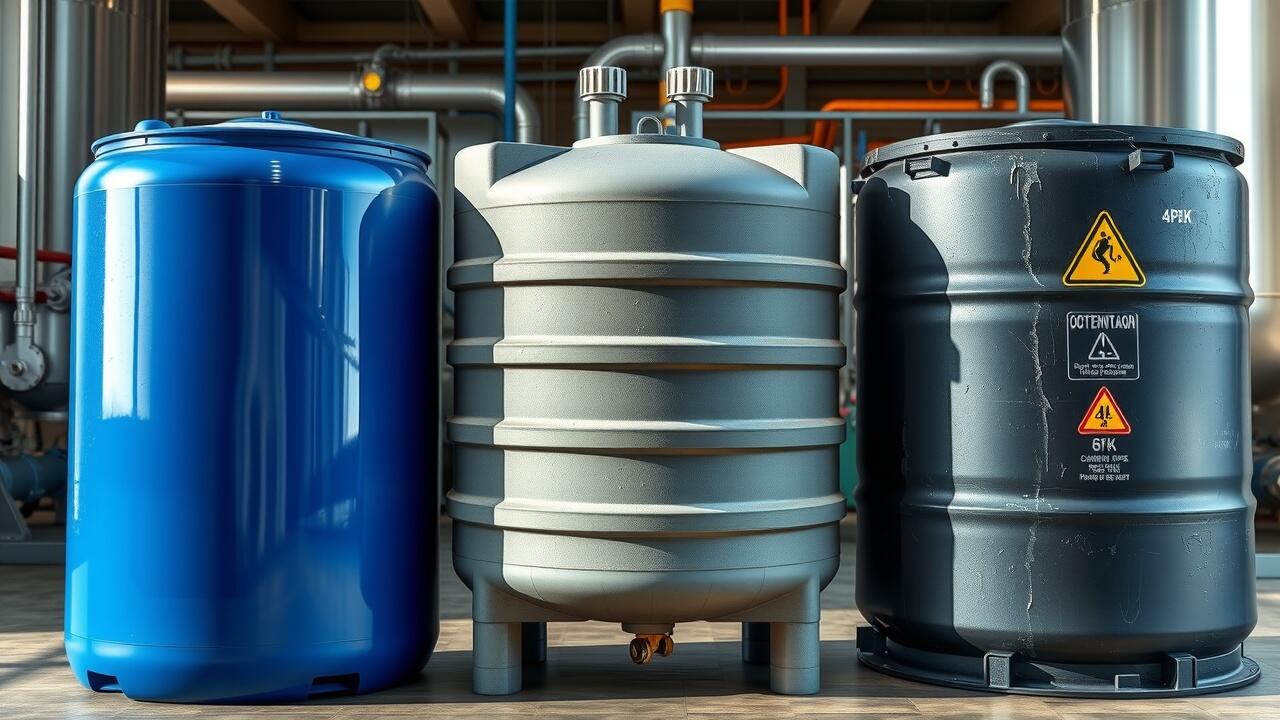
Maintenance Requirements for Different Tank Materials
The maintenance requirements for polyethylene, FRP, and rubber-lined tanks vary significantly based on their material properties. Polyethylene tanks generally require less frequent inspections due to their resistance to corrosion and chemical degradation. Regular checks for structural integrity and any signs of wear with the hydrochloric acid storage level gauge ensure that these tanks remain functional and safe. FRP tanks, while durable, necessitate more rigorous maintenance due to potential delamination issues and stress cracking, particularly when exposed to fluctuating temperatures. Inspections should include looking for surface damage and monitoring internal conditions to prevent leaks.
Rubber-lined tanks come with unique challenges, as the rubber lining can degrade over time due to chemical reactions or environmental conditions. Maintaining an effective HCl storage tank level gauge is critical for monitoring the corrosive effects on the lining. Implementation of a routine maintenance schedule that includes thorough inspections, cleaning procedures, and repairs is essential for prolonging the lifespan of these tanks. Professionals recommend adhering to manufacturer guidelines and industry standards, which often suggest quarterly assessments or more frequent checks depending on the operational context and external factors affecting tank health.
How Can Regular Maintenance Extend Tank Lifespan?
Regular maintenance plays a pivotal role in extending the lifespan of tanks used for hydrochloric acid containment. The implementation of routine inspections, cleaning, and repairs helps identify early signs of wear, corrosion, and leaks. For instance, a facility that utilizes a high-quality HCl storage tank level gauge can monitor liquid levels accurately, which allows operators to detect unusual fluctuations that may indicate potential failures. According to industry best practices, addressing minor issues proactively can delay the need for costly replacements and minimize downtime.
Tank materials have varying maintenance requirements that significantly impact longevity. Polyethylene tanks, for example, are praised for their chemical resistance but require UV protection to prevent degradation over time. Conversely, fiberglass-reinforced plastic (FRP) tanks may need periodic inspections to assess structural integrity due to their susceptibility to environmental factors. Establishing maintenance schedules tailored to the specific material can improve operational efficiency and safety. Developing a clear strategy that includes using monitoring tools, such as advanced level gauges, enhances overall tank performance.
Safety Standards in HCl Containment
Regulatory compliance for hydrochloric acid containment is essential to ensure safety and operational efficiency. Standards such as the American Society for Testing and Materials (ASTM) and the National Fire Protection Association (NFPA) outline critical guidelines for materials, construction, and monitoring systems. For example, using an HCl storage tank level gauge allows operators to monitor liquid levels accurately, thereby reducing the risk of overfilling or spillage. Adhering to these standards helps mitigate hazards associated with leaks or damage that can occur due to the corrosive nature of hydrochloric acid.
Safety protocols extend beyond mere compliance; they also encompass regular inspections and maintenance of containment systems. Implementing a comprehensive maintenance schedule is vital to prolonging the life of tanks and minimizing risks. Industries typically conduct biannual inspections and use corrosion resistance assessments to gauge material performance. Proper handling practices, along with accurate monitoring systems, such as advanced hydrochloric acid storage level gauges, significantly enhance safety measures and compliance with environmental regulations.
Why Are Regulatory Compliance and Safety Crucial for Tank Selection?
Regulatory compliance and safety are critical in selecting tanks for hydrochloric acid containment due to the hazardous nature of the substance. Industry standards, such as those set by the Occupational Safety and Health Administration (OSHA) and the American National Standards Institute (ANSI), dictate specific design and material requirements to mitigate risks. For instance, tanks must withstand not only the corrosive properties of hydrochloric acid but also potential pressure changes during operation. Failure to adhere to these regulations can lead to catastrophic failures, impacting both personnel safety and environmental integrity. Furthermore, integrating an HCl storage tank level gauge can enhance monitoring capabilities, ensuring the substance remains within safe limits during storage.
Companies must prioritize safety protocols during the tank selection process. Investing in tanks that meet or exceed regulatory standards directly contributes to lowering the likelihood of leaks or ruptures, thereby protecting both employees and the surrounding environment. Proper materials, such as polyethylene or rubber linings, play a significant role in achieving compliance and enhancing durability. Regular inspections and maintenance also ensure these tanks operate effectively and efficiently. For example, a case study from a chemical processing plant highlighted the benefits of proactive maintenance in extending tank life by 30%, demonstrating how stringent adherence to safety standards translates to operational reliability.
5 Key Strategies for Selecting the Right Tank for HCl
Selecting an appropriate tank for hydrochloric acid requires careful consideration of several factors. One critical factor is the corrosion resistance of the tank material. Polyethylene, FRP, and rubber-lined options each demonstrate varying levels of resistance against harsh chemicals like HCl. For instance, polyethylene tanks offer excellent chemical resistance and flexibility, making them suitable for low to moderate temperatures while being easy to install. In contrast, FRP tanks provide enhanced structural integrity in high-pressure situations, allowing them to withstand demanding operational environments. Incorporating features such as a hydrochloric acid storage level gauge can significantly improve safety and operational efficiency by providing real-time monitoring of liquid levels.
Operational needs heavily influence the selection process, particularly when it comes to tank capacity and the desired installation location. Thoroughly assess tank size and storage requirements to avoid under- or over-utilization, which can lead to excess wear or ineffective space management. For example, a facility requiring large volumes of HCl may benefit from utilizing multiple larger tanks instead of compact designs. Compliance with industry regulations, including adequate spacing and safety equipment, will dictate certain choices. The HCl storage tank level gauge, for instance, serves as an essential safety feature that alerts personnel to critical fluctuations in tank levels, ensuring adherence to safety protocols within operational design.
How Do Operational Needs Influence Tank Material Choices?
Selecting the appropriate tank material for hydrochloric acid containment hinges on specific operational requirements, such as the chemical concentration and temperature ranges. For instance, when storing concentrated hydrochloric acid, the selected material must withstand both the corrosive nature of the acid and elevated temperatures inherent in some industrial processes. A polyethylene tank may be suitable for standard environments; however, in applications requiring greater temperature resistance, fiberglass-reinforced plastic (FRP) may be the better option. This versatility allows for tailored solutions based on the unique chemical profile and operational parameters.
Tank design must also accommodate various monitoring systems, which are pivotal for maintaining safety and efficiency. For example, incorporating a hydrochloric acid storage level gauge allows operators to monitor liquid levels continuously, ensuring safe containment practices. Furthermore, implementing a precise HCl storage tank level gauge can prevent overfilling and facilitate adherence to regulatory standards. When operational needs integrate these advanced monitoring solutions, organizations can enhance safety measures while optimizing tank performance and lifespan.
Performance Under Environmental Conditions
Material selection plays a critical role in maintaining tank integrity under varying environmental conditions. Polyethylene, for instance, exhibits excellent resistance to corrosion at ambient temperatures but struggles when exposed to prolonged high temperatures or pressures. FRP offers superior performance, especially in high-pressure situations, making it a favored choice for applications involving hydrochloric acid. Regular monitoring using a hydrochloric acid storage level gauge can help ensure that tanks remain within the thermal and pressure limits specified by industry standards.
Operational environments with fluctuating temperatures or dynamic pressures can lead to unforeseen risks if tank materials are ill-suited to these conditions. For example, rubber-lined tanks may experience degradation over time when subjected to extreme temperature variations, while their flexibility can accommodate minor pressure changes. Utilizing an HCl storage tank level gauge to track both chemical levels and environmental parameters significantly enhances safety protocols and minimizes the risk of leaks or ruptures. Following best practices such as these not only extends the lifespan of tanks but also ensures compliance with regulatory standards for hazardous materials containment.
What Impact Do Temperature and Pressure Have on Tank Integrity?
Temperature and pressure exert significant influences on the integrity of tanks designed for hydrochloric acid containment. High temperatures can accelerate the degradation of materials, particularly in polyethylene tanks, which may become soft and lose structural integrity over time. For instance, an increase of just 10 degrees Celsius can double the rate of polymer deterioration, thus compromising the tank's ability to safely contain HCl. Additionally, varying pressure levels can result in expansion and contraction of tank materials, leading to potential stress fractures or leaks, especially in rubber-lined tanks that can’t quite handle extreme conditions.
Effective monitoring solutions, such as an HCl storage tank level gauge, assist in managing these risks. Implementing remote level gauges allows operators to maintain awareness of both the hydrochloric acid storage level and the environmental conditions affecting the tank. Regular assessments and adherence to industry standards, including those set by the American Society for Testing and Materials (ASTM), provide best practices for ensuring material compatibility under expected operational conditions. Choosing the right material for the specific temperature and pressure requirements can significantly enhance safety and extend the lifecycle of containment systems.
Real-World Case Studies in HCl Containment
Case studies provide invaluable insights into the practical performance of various HCl containment methods. One facility, which implemented FRP tanks for hydrochloric acid storage, faced significant challenges attributed to fluctuating environmental conditions. The plant reported corrosion issues that arose from exposure to high humidity, which ultimately led to a costly tank replacement. This scenario underscores the necessity of utilizing robust materials suitable for specific environmental factors. Operators must also consider the integration of advanced monitoring systems, such as an HCl storage tank level gauge, to maintain awareness regarding chemical levels and prevent overfilling or leaks.
Another noteworthy case involved a manufacturing plant employing rubber-lined tanks for hydrochloric acid containment. After several years of operation, an inspection revealed that despite the robust nature of the lining, the tank’s structural integrity began to degrade under fluctuating pressure levels. Regular assessments indicated that the maintenance team had underestimated the impact of thermal cycling on the material. Facilities can learn from this example by ensuring that routine monitoring practices are in place, along with the implementation of technologies to provide real-time feedback on tank conditions. These proactive measures are crucial for extending the lifespan of storage solutions and ensuring compliance with safety standards.
Conclusion
Selecting an appropriate material for hydrochloric acid containment requires a thorough analysis of various factors influencing performance and safety. Polyethylene, FRP, and rubber-lined tanks each exhibit unique strengths and weaknesses that should be meticulously evaluated against operational requirements and environmental conditions. For instance, while polyethylene provides excellent chemical resistance and lower weight, FRP offers superior durability and adaptability to fluctuating temperatures. Implementing effective maintenance practices, such as regular inspections and utilizing an HCl storage tank level gauge, can significantly enhance the longevity and integrity of the chosen containment solution.
Adhering to stringent safety standards is essential when managing hydrochloric acid, which is inherently corrosive and hazardous. Compliance with industry regulations helps mitigate risks related to leaks, equipment failures, and environmental contamination. Investing in reliable level monitoring systems, including a hydrochloric acid storage level gauge, enhances operational efficiency and ensures that the containment system remains within safe operating limits. By prioritizing safety and performance through informed material selection and proactive management, organizations can effectively safeguard their assets and protect personnel.
FAQS
What are the main differences between polyethylene, FRP, and rubber-lined tanks for HCl containment?
The main differences lie in their chemical resistance, durability, and maintenance needs. Polyethylene is lightweight and resistant to corrosion but may have lower tensile strength. FRP (Fiberglass Reinforced Plastics) offers high strength and durability, making it suitable for various environmental conditions. Rubber-lined tanks provide excellent chemical resistance but require more maintenance to ensure the lining remains intact.
How often should maintenance be performed on tanks used for HCl containment?
Maintenance frequency depends on the tank material and the operating conditions. Generally, it is recommended to conduct inspections at least annually, with more frequent checks for rubber-lined tanks due to the wear and tear of the lining.
What regulatory standards must be adhered to when selecting a tank for HCl containment?
Tanks for HCl containment must comply with local, state, and federal regulations, including environmental protection standards, safety codes, and industry-specific guidelines. It is essential to consult the relevant authorities and industry standards to ensure compliance.
How do temperature and pressure affect the integrity of tanks used for HCl?
Elevated temperatures and pressures can weaken the structural integrity of tanks, leading to potential leaks or failures. Each material—polyethylene, FRP, and rubber-lined—has specific temperature and pressure ratings that must be adhered to for safe operation.
Can you provide examples of real-world case studies involving the use of different tank materials for HCl containment?
Yes, various industries have documented cases where polyethylene, FRP, and rubber-lined tanks were employed for HCl storage and transport. These case studies typically highlight the effectiveness of each material in specific operational environments, detailing successes and challenges faced in maintaining safety and compliance.