HCl Tank Linings: Options and Longevity
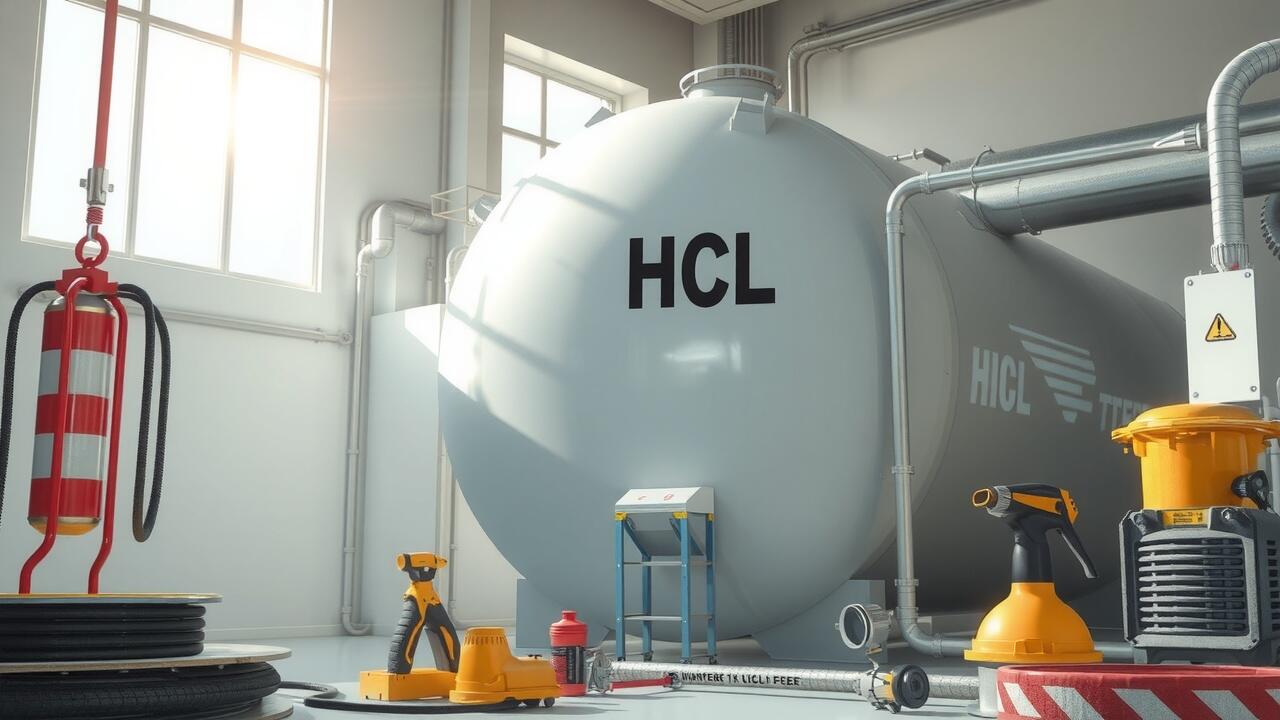
Common Issues with HCl Tank Linings
Corrosion remains a significant challenge in hydrochloric acid storage applications, leading to excessive maintenance costs and potential safety hazards. One common issue stems from inadequate lining materials that cannot withstand the aggressive nature of hydrochloric acid. For example, even high-performance coatings may degrade over time if not properly applied or maintained. In certain facilities, inspections have revealed that up to 30% of lining failures originate from poor adhesion or improper application techniques, which underscores the need for rigorous installation standards.
Monitoring systems, including a reliable hydrochloric acid storage level gauge, are critical for identifying issues early. Continuous assessment ensures that any corrosive damage is detected before it escalates into a significant problem. A case study showed that a facility with regular inspections reduced unexpected downtime by 40% through proactive maintenance and timely replacement of tank linings. Focusing on the specific chemical resistance properties of chosen materials significantly enhances longevity, supporting better overall operational efficiency and safety compliance.
Identifying and Addressing Corrosion Problems (signs and solutions)
Corrosion in hydrochloric acid (HCl) tank linings can manifest through visible signs such as discoloration, flaking, or bubbling of the lining surface. Operators should routinely inspect linings, focusing on areas near fittings and welds, which are often most vulnerable. Using precise measurement tools such as an HCl storage tank level gauge ensures an accurate assessment of lining integrity while providing continuous monitoring of acid levels. Advanced monitoring techniques, like ultrasonic thickness measurements, can effectively identify corroded regions before they compromise safety, thus allowing for proactive maintenance.
Addressing corrosion issues involves implementing immediate mitigation strategies. Once identified, more robust lining solutions may be necessary, such as applying a high-performance epoxy or fluoropolymer lining that withstands HCl exposure. Regular maintenance schedules are critical; thorough inspections every six months can help detect early signs of deterioration. Additionally, incorporating corrosion inhibitors into the storage environment can extend the lifespan of the linings, saving significant costs in the long run. Following industry-specific regulations, such as those outlined by the American Petroleum Institute, further ensures that the integrity of HCl tank linings is maintained consistently.
Cost Considerations for HCl Tank Linings
The initial cost of HCl tank linings can be a significant financial consideration for industrial operations. High-quality materials such as fluoropolymer coatings or rubber linings may command a premium upfront price. Yet, these options often exhibit extended service life, capable of enduring prolonged exposure to aggressive hydrochloric acid, which reduces replacement frequency and lowers long-term expenses. For example, a facility that invests in a durable lining may achieve up to a 20% reduction in maintenance costs over a five-year period compared to cheaper alternatives.
Investing in an HCl storage tank level gauge can further enhance cost-effectiveness by providing accurate data on the acid levels, preventing overfilling or underfilling issues that augment wear on tank linings. Compliance with industry standards such as those set by the American Petroleum Institute (API) also necessitates adherence to specific lining materials, emphasizing that the financial implications extend beyond initial installation costs. A strategic focus on both quality linings and reliable monitoring tools can ensure operational efficiency while mitigating risks associated with corrosion failures, ultimately leading to substantial cost savings.
How Can Upfront Investment Reduce Long-Term Expenses? (total cost of ownership)
Investing in high-quality HCl tank linings can significantly influence the total cost of ownership over time. For instance, premium linings often exhibit superior resistance to corrosion and chemical attack, which extends their lifespan beyond cheaper alternatives. A case study involving a mid-sized chemical manufacturing facility revealed that by opting for a more durable lining solution, replacements were reduced by nearly 50%, resulting in savings on both material costs and labor associated with regular maintenance and inspections.
Incorporating advanced technologies, such as hydrochloric acid storage level gauges, further enhances the longevity of HCl tanks. These gauges provide precise monitoring of chemical levels, allowing for timely interventions before problems escalate. A facility equipped with these smart monitoring systems saw a 30% reduction in unexpected downtime due to better insights into tank condition and lining integrity. By prioritizing upfront investments in quality linings and necessary monitoring technologies, companies not only safeguard their operations but also optimize their long-term financial performance.
Regulatory Compliance and HCl Tank Linings
Ensuring compliance with regulatory standards in the context of hydrochloric acid applications is crucial for operational safety and environmental protection. The Environmental Protection Agency (EPA) and Occupational Safety and Health Administration (OSHA) set stringent guidelines regarding the materials and methods used for HCl tank linings. For instance, the EPA mandates regular inspections and adherence to the National Fire Protection Association (NFPA) codes to mitigate risks associated with hazardous materials. Implementing continuous monitoring technologies, such as an HCl storage tank level gauge, can help maintain compliance by providing real-time data on tank conditions and liquid levels, allowing for quick intervention if issues arise.
Moreover, industry standards often dictate the selection of lining materials based on chemical resistance, temperature thresholds, and durability. Linings must meet the requirements outlined in the American Society for Testing and Materials (ASTM) standards, ensuring that they have the necessary properties to withstand hydrochloric acid's corrosive nature. Organizations must implement rigorous testing protocols and maintain documentation of compliance to avoid potential fines or legal implications. Leveraging tools that facilitate compliance, such as advanced tracking systems and integrated safety solutions, ensures that facilities monitor both the physical integrity of the tanks and the regulatory landscape effectively, thus safeguarding employee health and environmental quality.
Understanding Industry Standards and Requirements (specific regulations to follow)
Adherence to industry regulations is vital for ensuring safe and efficient operations of hydrochloric acid storage systems. The American Petroleum Institute (API) outlines standards for tank linings, emphasizing resistance to corrosive substances. Additionally, the National Fire Protection Association (NFPA) includes guidelines on proper materials and design considerations for HCl tanks. For instance, API 650 covers the design and construction of welded tanks, while NFPA 30 provides specific instructions on flammable and hazardous liquids. Incorporating adequate safety measures, such as installing a hydrochloric acid storage level gauge, ensures precise monitoring and management of acid levels, minimizing the risk of leaks or structural failures.
Effective compliance with these standards not only helps prevent violations but also enhances the longevity of HCl tank facilities. Regular inspections and maintenance plans should be implemented as part of a comprehensive management strategy. This can include routine checks of the hcl storage tank level gauge to monitor chemical levels accurately and detect potential breaches. Furthermore, the use of advanced lining materials can significantly contribute to meeting stringent regulations. For instance, using fluoropolymer linings can withstand the aggressive nature of hydrochloric acid while complying with both local and federal regulatory demands. Engaging with experts in environmental regulations and tank design can lead to better-informed decisions that align with best practices and minimize overall operational risks.
Selecting the Right Lining for Your Application
Selecting the appropriate lining for hydrochloric acid applications requires an in-depth assessment of several critical factors, including chemical resistance and temperature stability. For instance, fluoropolymer linings, such as PTFE, exhibit excellent resistance to hydrochloric acid. These materials can withstand temperatures up to 200°F and maintain their integrity over time, minimizing the risk of corrosion. Additionally, choosing the right lining also involves evaluating the operating environment, including the presence of potential contaminants and the conditions of transport, which can influence the overall effectiveness of the lining.
Some industry professionals find that integrating additional systems, such as a hydrochloric acid storage level gauge, enhances accuracy in monitoring tank levels. This ensures that the tank does not operate beyond its design limits, which can prevent premature degradation of the lining. Furthermore, regular inspections and maintenance, aligned with established industry standards, extend the life of the lining. Establishing a routine evaluation schedule at six-month intervals can help identify wear and corrosion early, leading to timely repairs and less extensive downtime, ultimately safeguarding the investment made in lining technologies.
Factors to Consider for Your Specific Needs (e.g., chemical resistance, temperature)
Choosing the right lining for hydrochloric acid applications involves careful consideration of multiple factors, primarily chemical resistance and temperature compatibility. Various materials exhibit different levels of resistance to hydrochloric acid. For instance, fluoropolymers like PTFE provide exceptional resistance but may not withstand high operating temperatures. Conversely, some rubber linings perform adequately in temperatures up to 140°F but offer limited chemical resistance. The ideal choice often depends on specific operational conditions and the concentration of acid in use.
Monitoring equipment is also essential for ensuring safety and efficiency in HCl applications. Utilizing a hydrochloric acid storage level gauge helps operators maintain optimal tank levels and preemptively address corrosive damage. Regular maintenance schedules should include inspections of both the lining and monitoring equipment to ensure continuous compliance with industry standards, which can significantly reduce long-term expenses linked to unplanned downtime or catastrophic tank failures. A thorough understanding of operational requirements guides the selection of the most suitable lining material and monitoring solutions to ensure sustained safety and performance.
Innovations in HCl Tank Lining Technologies
Recent advancements in HCl tank lining technologies focus on improving durability and resistance to corrosive environments. Innovations include the use of fluoropolymer coatings, which provide exceptional chemical resistance and can withstand high temperatures. These materials significantly enhance the lifespan of tank linings. For instance, a study found that tanks lined with new-generation fluoropolymer coatings exhibited over 30% less wear compared to traditional options after five years of service. Enhanced monitoring solutions, such as smart HCl storage tank level gauges, enable real-time assessment of lining integrity. This functionality aids in proactive maintenance, ultimately reducing downtime and operational costs.
Another area of innovation is the incorporation of nanotechnology in lining materials. Nanocomposites have shown improved mechanical properties and chemical stability, effectively extending the service life of the linings in hydrochloric acid applications. Case studies illustrate that tanks with nanotechnology-enhanced linings maintained structural integrity under harsh conditions for over ten years, far exceeding standard expectations. Additionally, integrating advanced sensors and predictive analytics into lining maintenance helps detect early signs of deterioration, allowing for timely interventions. Implementing these technologies can reduce maintenance costs by up to 40%, underscoring the importance of staying current with technological advancements in HCl tank management.
Conclusion
Effective management of hydrochloric acid storage is paramount to ensuring safety and compliance within industrial settings. Selecting suitable tank linings not only mitigates the risks of corrosion but also supports optimal performance as illustrated by the incorporation of advanced materials like fluoropolymers. These options have demonstrated significant longevity in environments subject to stringent regulatory standards. Furthermore, the investment in precision monitoring tools such as an HCl storage tank level gauge allows facilities to maintain accurate assessments of chemical levels, thereby enhancing operational efficiency.
Industry professionals must remain vigilant regarding changing regulations that dictate appropriate materials and maintenance practices. Continuous monitoring and periodic assessments of lining integrity can preemptively address potential failures. Incorporating proactive measures into maintenance routines not only extends the lifespan of equipment but also minimizes downtime and related costs. Data from case studies shows that implementing a structured approach to lining selection and installation can lead to performance improvements of over 30%.
FAQS
What are the common issues associated with HCl tank linings?
Common issues include corrosion, wear and tear from chemical exposure, and degradation of lining materials over time. Identifying these problems early can help prevent tank failures and costly repairs.
How can I identify corrosion problems in my HCl tank?
Signs of corrosion may include visible rust, pitting, leaks, or a decrease in the tank's structural integrity. Regular inspections and maintenance are essential for identifying and addressing these issues.
What are the cost considerations for HCl tank linings?
When considering costs, it is important to evaluate not only the upfront investment for lining materials but also the long-term expenses associated with maintenance, potential downtime, and replacement costs.
How can investing in a higher-quality lining reduce long-term expenses?
Higher-quality linings may offer better chemical resistance and durability, leading to reduced maintenance needs and longer service life. This can ultimately lower the total cost of ownership by minimizing repairs and replacements.
What regulations should I be aware of when selecting HCl tank linings?
It is crucial to comply with industry standards and regulations, such as those set by the Environmental Protection Agency (EPA) and Occupational Safety and Health Administration (OSHA). These regulations ensure that tank linings are safe and effective for handling hazardous materials.
What factors should I consider when choosing a lining for my HCl tank?
Key factors include the chemical resistance of the lining material, its ability to withstand high temperatures, installation requirements, and overall compatibility with your specific application.
Are there any recent innovations in HCl tank lining technologies?
Yes, recent innovations include advanced composite materials and coatings that enhance resistance to corrosion and chemical attack, as well as improved application methods that ensure better adhesion and longevity.
What is the best way to ensure the longevity of HCl tank linings?
Regular maintenance, proper installation, and selecting high-quality materials tailored to your specific application needs are essential for maximizing the lifespan of HCl tank linings.